


How can the modular column structure of an open-plan cloakroom meet the ever-changing retail display needs?
Release Time : 2026-02-27
The dynamic nature of modern retail and the evolving demands of residential living require storage solutions that are as flexible as they are robust. Traditional built-in closets and fixed wardrobe structures often act as permanent obstacles, locking spaces into rigid configurations that cannot adapt to changing inventory trends or lifestyle shifts. When a boutique needs to transition from displaying winter coats to showcasing summer dresses, or when a homeowner wishes to reorganize their entryway, conventional systems often demand costly and disruptive structural demolition. The column-type open cloakroom emerges as the definitive solution to this inflexibility. Its modular column architecture enables seamless reconfiguration, allowing spaces to evolve instantly without the need for heavy construction, drilling, or permanent alteration to the building fabric.
At the heart of this adaptability is the freestanding column-style frame design. Unlike wall-mounted systems that rely on the structural integrity of drywall or masonry, these units are self-supporting entities. The columns act as vertical anchors, providing strong support that resists deformation even under the significant weight of heavy clothing, luggage, and dense inventory. This inherent stability means the system does not need to be bolted into studs or anchored deeply into floors, which is the primary reason it can be moved so easily. A retailer can decide overnight to change the entire floor plan, moving rows of cloakrooms to create new aisles or focal points. The next morning, the space is transformed, ready for new merchandise, with no debris, dust, or repair work left behind. This agility is invaluable in pop-up stores, seasonal exhibitions, and fast-fashion environments where speed to market is critical.
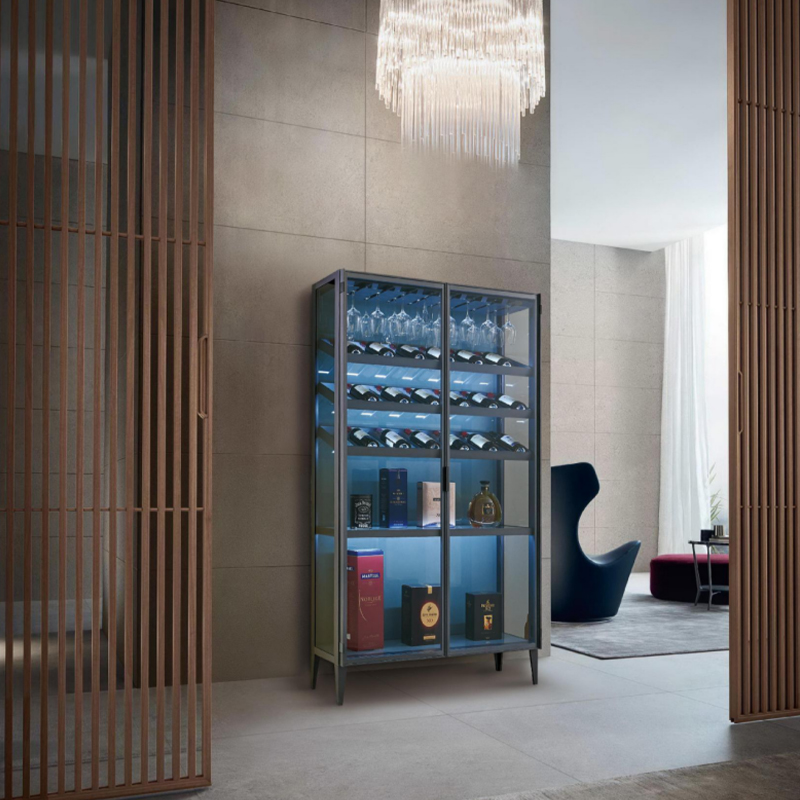
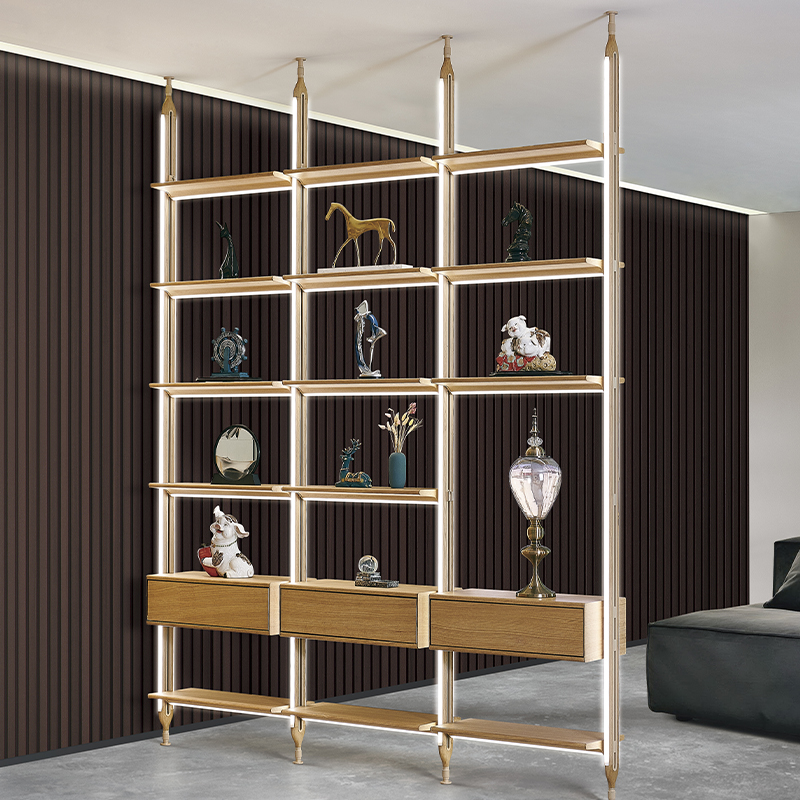
The durability of the materials ensures that this frequent reconfiguration does not come at the cost of longevity. The metal columns and shelves are crafted from high-quality alloys, engineered to resist corrosion and wear despite constant handling and movement. This resilience is paired with glass shelves that offer high load-bearing capacity and impact resistance. The combination of metal and glass creates a visual lightness that belies its strength, allowing the units to feel airy and open while securely holding valuable items. Because the components are designed for repeated assembly and disassembly, the connection mechanisms are robust yet simple, ensuring that the structural integrity remains intact regardless of how many times the system is rearranged. Customization options in size and color further enhance this flexibility, allowing the modules to fit perfectly into corners, along walls, or as room dividers, adapting to any architectural constraint.
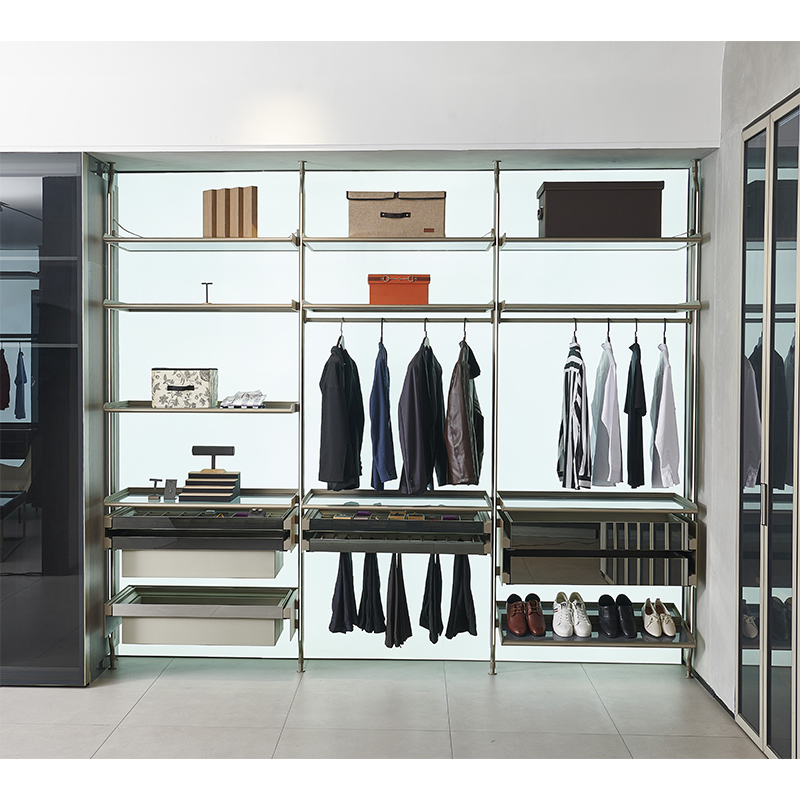
Inside the framework, the concept of zoned storage drives functional efficiency. The modular nature allows users to precisely divide the interior space according to specific needs. Multi-layered open shelving, hanging rods, and drawers can be positioned at varying heights within the column structure. This creates dedicated areas for long coats, short jackets, folded garments, shoes, and accessories. In a retail setting, this means merchandise can be categorized and displayed logically, guiding the customer journey. In a home, it allows for a tailored organization system that grows with the user's collection. If the inventory changes, such as swapping shoe storage for handbag displays, the internal components can be relocated effortlessly. The open design ensures that every item is intuitively visible, transforming storage into a display function where exquisite luggage and unique shoes serve as decorative elements. This fusion of storage and exhibition encourages interaction and makes selection and coordination effortless.
Space utilization is perhaps the most tangible benefit of the column-type architecture. By expanding storage vertically, these units make efficient use of three-dimensional space that often goes wasted in small apartments or crowded retail floors. The slender profile of the columns fits snugly into awkward corners and along perimeter walls, maximizing every square inch without encroaching on the usable floor area. This vertical expansion allows even compact spaces to hold a vast capacity of clothing and goods. Furthermore, the open structure promotes air circulation and allows natural light to penetrate deep into the room, preventing the gloomy, enclosed feeling associated with traditional wardrobes. This brightness enhances the visual appeal of the stored items, making the space feel larger and more inviting.
Ultimately, the column-type open cloakroom represents a shift from static furniture to dynamic infrastructure. It empowers users to take control of their environment, responding instantly to new challenges and opportunities. Whether optimizing a retail floor for maximum sales impact or organizing a personal sanctuary for daily ease, the ability to reconfigure without demolition offers unparalleled freedom. The stable structure, durable materials, and intelligent zoning work in harmony to create a system that is not just a place to store things, but a versatile tool for shaping space itself. As needs evolve, the cloakroom evolves with them, proving that true stability lies not in being fixed in place, but in the capacity to adapt seamlessly to the future.
At the heart of this adaptability is the freestanding column-style frame design. Unlike wall-mounted systems that rely on the structural integrity of drywall or masonry, these units are self-supporting entities. The columns act as vertical anchors, providing strong support that resists deformation even under the significant weight of heavy clothing, luggage, and dense inventory. This inherent stability means the system does not need to be bolted into studs or anchored deeply into floors, which is the primary reason it can be moved so easily. A retailer can decide overnight to change the entire floor plan, moving rows of cloakrooms to create new aisles or focal points. The next morning, the space is transformed, ready for new merchandise, with no debris, dust, or repair work left behind. This agility is invaluable in pop-up stores, seasonal exhibitions, and fast-fashion environments where speed to market is critical.
The durability of the materials ensures that this frequent reconfiguration does not come at the cost of longevity. The metal columns and shelves are crafted from high-quality alloys, engineered to resist corrosion and wear despite constant handling and movement. This resilience is paired with glass shelves that offer high load-bearing capacity and impact resistance. The combination of metal and glass creates a visual lightness that belies its strength, allowing the units to feel airy and open while securely holding valuable items. Because the components are designed for repeated assembly and disassembly, the connection mechanisms are robust yet simple, ensuring that the structural integrity remains intact regardless of how many times the system is rearranged. Customization options in size and color further enhance this flexibility, allowing the modules to fit perfectly into corners, along walls, or as room dividers, adapting to any architectural constraint.
Inside the framework, the concept of zoned storage drives functional efficiency. The modular nature allows users to precisely divide the interior space according to specific needs. Multi-layered open shelving, hanging rods, and drawers can be positioned at varying heights within the column structure. This creates dedicated areas for long coats, short jackets, folded garments, shoes, and accessories. In a retail setting, this means merchandise can be categorized and displayed logically, guiding the customer journey. In a home, it allows for a tailored organization system that grows with the user's collection. If the inventory changes, such as swapping shoe storage for handbag displays, the internal components can be relocated effortlessly. The open design ensures that every item is intuitively visible, transforming storage into a display function where exquisite luggage and unique shoes serve as decorative elements. This fusion of storage and exhibition encourages interaction and makes selection and coordination effortless.
Space utilization is perhaps the most tangible benefit of the column-type architecture. By expanding storage vertically, these units make efficient use of three-dimensional space that often goes wasted in small apartments or crowded retail floors. The slender profile of the columns fits snugly into awkward corners and along perimeter walls, maximizing every square inch without encroaching on the usable floor area. This vertical expansion allows even compact spaces to hold a vast capacity of clothing and goods. Furthermore, the open structure promotes air circulation and allows natural light to penetrate deep into the room, preventing the gloomy, enclosed feeling associated with traditional wardrobes. This brightness enhances the visual appeal of the stored items, making the space feel larger and more inviting.
Ultimately, the column-type open cloakroom represents a shift from static furniture to dynamic infrastructure. It empowers users to take control of their environment, responding instantly to new challenges and opportunities. Whether optimizing a retail floor for maximum sales impact or organizing a personal sanctuary for daily ease, the ability to reconfigure without demolition offers unparalleled freedom. The stable structure, durable materials, and intelligent zoning work in harmony to create a system that is not just a place to store things, but a versatile tool for shaping space itself. As needs evolve, the cloakroom evolves with them, proving that true stability lies not in being fixed in place, but in the capacity to adapt seamlessly to the future.